Commercial Water Treatment in Santa Clara & Sunnyvale, CA
Santa Clara and Sunnyvale are packed with data centers, cleanrooms and labs, and nearly all of them reject heat with water. and the water you get depends on which side of town you're on. Hydrovida helps data centers, semiconductor and electronics plants, labs and campuses cut water use, protect chillers and RO systems, and keep cooling towers inspection-ready.
What you get
- An on-site look at your towers, boilers and water systems
- A written report with what we found
- Savings estimates you can take to your team
Get your free water analysis
No cost, no obligation. We’ll follow up to set up your on-site water analysis.
Two cities, several waters
The City of Santa Clara blends several sources. In fiscal 2023-24, its 19 active wells supplied about half of the city's water, imported water from the SFPUC and Valley Water about 31%, and recycled water from the San José-Santa Clara Regional Wastewater Facility about 19%. SFPUC water feeds the northernmost pressure zone, in the city's mostly commercial and industrial north end, while Valley Water serves the southwest. The city's 2024 water quality report shows how different those sources are: well water hardness ranged from 170 to 330 ppm (average 246), Valley Water's treated water averaged 111 ppm, and SFPUC water averaged 57 ppm.
Sunnyvale is the opposite. The city buys most of its water, with SFPUC supplying the northern part of the city and Valley Water the southern part, and uses its own wells mainly at peak demand. Recycled water from the city's Water Pollution Control Plant serves irrigation and some commercial and industrial users in the north.
For a cooling tower, that means two facilities a mile apart can need very different cycles, inhibitors and softening. A program copied from another site is usually wrong for yours.
Who we work with here
This is the heart of Silicon Valley: data centers, semiconductor, electronics and materials companies, R&D labs, hospitals, universities and large office campuses. Data centers and fabs run cooling towers and chillers year-round. Labs and fabs depend on RO and high-purity water. Campuses run closed loops and boilers, and every tower needs a Legionella plan.
How Hydrovida fixes it
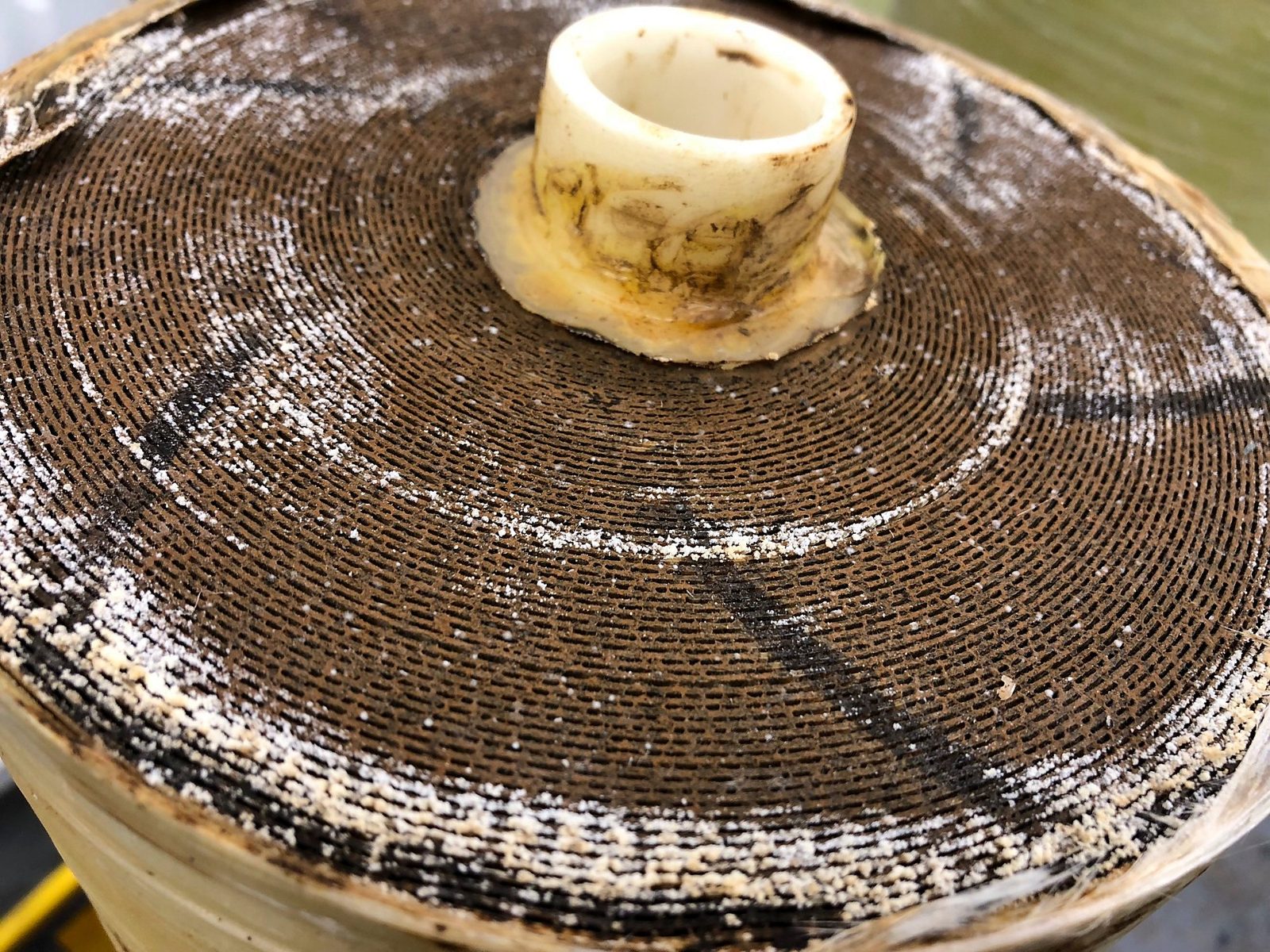
We test your makeup water first, because in Santa Clara it can swing from soft to very hard. Then we set inhibitor, cycles and softening for that water and put controllers and remote monitoring on the towers so blowdown follows real conductivity, not a guess. For closed loops, we stop corrosion before it turns into failed pumps and fouled heat exchangers. For RO, we tune pretreatment, clean membranes, and run membrane autopsies when you need to know why they're failing.
We write and maintain ASHRAE 188 water management plans and run routine Legionella testing. Our chemistry is made by Hydrovida, with NSF/ANSI/CAN 60 certified chemistry options available.
Valley Water rebates
Valley Water's Water Efficient Technology (WET) rebate is open to commercial, industrial and institutional properties in Santa Clara County, and its qualifying equipment list includes cooling tower efficiency upgrades and water softeners. Rebates are based on measured savings: $4 per CCF (748 gallons) saved per year or up to 100% of equipment cost, whichever is less, with a maximum of $100,000 per project. A project has to save at least 74,800 gallons a year and be submetered before and after the change, so apply before you swap equipment. Valley Water says current funding lasts until June 30, 2027 or until it runs out, and terms can change, so we'll help you check before you buy. Valley Water also points out that cooling towers can use up to 30% of the water in commercial buildings.
What you can expect
Across 120+ facilities, Hydrovida customers average a 30% reduction in water use and $36K a year in savings. Eight in 10 facilities we analyze find savings, and we've never lost a customer because of performance. Start with a free water analysis.
What we do in Santa Clara & Sunnyvale
Cooling Towers & HVAC
Run more cycles, buy less water.
Closed Loop Systems
Stop rusty water and failing pumps.
RO & Water Purification
Keep membranes running longer.
Membrane Autopsy
Find out exactly why membranes fail.
Legionella Risk Management
ASHRAE 188 water management plans and testing.
Controllers & Remote Monitoring
Catch problems the day they start.
- 120+
- Facilities served
- $36K
- Average yearly savings per customer
- 30%
- Average water reduction
- 0
- Customers lost to performance
Averages across Hydrovida customers.
Questions
How hard is Santa Clara's water?
It depends on the source. In the city's 2024 report, well water averaged 246 ppm hardness, Valley Water's treated water 111 ppm and SFPUC water 57 ppm.
Where does Sunnyvale get its water?
Mostly from SFPUC in the north and Valley Water in the south, with city wells used mainly at peak demand and recycled water for some non-potable uses.
Is there a rebate for cooling tower upgrades?
Valley Water's WET rebate lists cooling tower efficiency upgrades and water softeners. It's based on measured savings, up to $100,000 per project, and needs submetering before and after.
Do you work with data centers?
Yes. We treat cooling towers, chillers and closed loops for mission-critical sites, with remote monitoring and Legionella plans.
What does a free water analysis include?
We test your makeup and system water, review your treatment, softeners, cycles and water bills, and show where you can save water, energy and chemicals. There is no cost and no obligation, and nothing changes until you agree.