Free water analysis — Request yours →

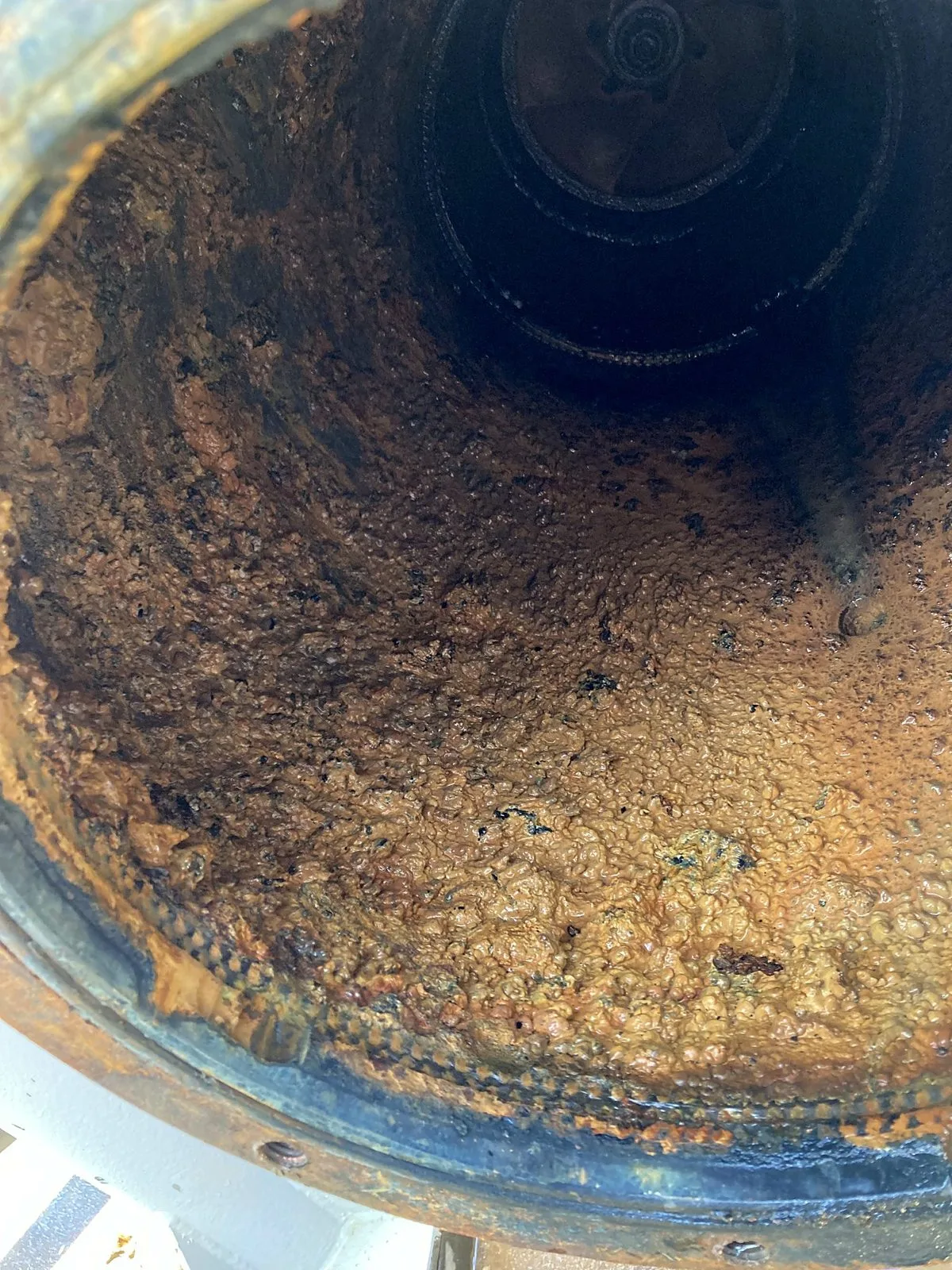
Rust and sludge inside closed loop piping
LTec Closed Loop Chemistry

LTec closed loop chemistry: stop corrosion inside your pipes.

Closed loops should hold the same water for years, but only if the inhibitor is right for the loop's metals and stays in range. LTec includes molybdate, nitrite, silicate and eco-friendly inhibitors, plus cleaning and passivation products for loops that are already dirty.

Corrosion inhibitors

LTec Mo

Molybdate inhibitor

  • Prevents oxygen-related and microbially influenced corrosion
  • Works best in loops with some oxygen exposure, like open atmospheric tanks
  • Works with softened or hard water
  • Typical dose: 80–200 ppm as MoO4

LTec N

Nitrite inhibitor

  • Prevents oxygen-related and microbially influenced corrosion
  • Works best in tightly closed loops with no oxygen introduction
  • Works with softened or hard water
  • Typical dose: 700–1,200 ppm as NO2

LTec Si

Silicate inhibitor

  • Passivation and corrosion protection
  • Works best in closed systems such as thermal energy storage
  • Typical dose: 30–100 ppm

LTec Eco

Eco-friendly inhibitor

  • Passivation and protection against oxygen-related and microbially influenced corrosion
  • Works best in loops with no oxygen introduction
  • Works with softened or hard water

Exact doses depend on the pipe material and water in your loop, and are set by a Hydrovida specialist.

Cleaning and passivation

LTec CL-1100 and LTec L110

Loop cleaners and passivators

  • Multi-component cleaners that clean and passivate metal piping and heat transfer surfaces
  • Work in both tightly closed and open atmospheric loops
  • Typical dose: 0.5–1% by volume of loop water, circulated at least 8 hours
  • Removed by bleed-and-feed; a side-stream filter is recommended

Use these on new loops before startup, or on existing loops full of rust and sludge, before putting an inhibitor in place.

Applications

  • Chilled water and heating hot water loops
  • Process heating and cooling loops
  • Data center cooling loops
  • Thermal energy storage systems
Questions

Questions

Molybdate or nitrite: which inhibitor do I need?

It depends on your loop. Molybdate (LTec Mo) works best where the loop has some oxygen exposure. Nitrite (LTec N) works best in tightly closed loops. We test and recommend.

Should a new loop be cleaned before it's filled?

Yes. Cleaning and passivating with LTec CL-1100 or L110 removes construction debris and oils and gives the inhibitor a clean surface to protect.

Protect your loop from the inside.