RO and cooling water support for semiconductor and electronics fabs
Fabs run on huge volumes of purified water and cooling capacity, with no room for unplanned downtime. When RO membranes foul early or a cooling tower scales up, it costs you water, energy and production. Hydrovida pairs RO and cooling chemistry with a lab that finds the root cause.
What's at stake
RO fouling and scaling that shortens membrane life and drives up cleaning frequency
Silica: high-silica feed water limits RO recovery and scales membranes
Water budgets: fabs use enormous amounts of water, so every point of RO recovery and every cycle in the tower matters
Cooling reliability for process tools and cleanroom HVAC
Where fab water programs break down
- Antiscalant chosen for average feed water, not the silica spikes
- Cleanings with generic citric acid and caustic that never fully restore flux
- Chlorine or chloramine slipping past pretreatment and oxidizing membranes
- Cooling towers serving process tools and cleanroom HVAC, running at low cycles to stay "safe"
- Reject and blowdown sent to drain when part of it could be reused
How Hydrovida helps
Solutec antiscalants , including Solutec Si for high-silica feed water
Synetec membrane cleaners matched to the foulant, from organics and silt to silica and metal oxides
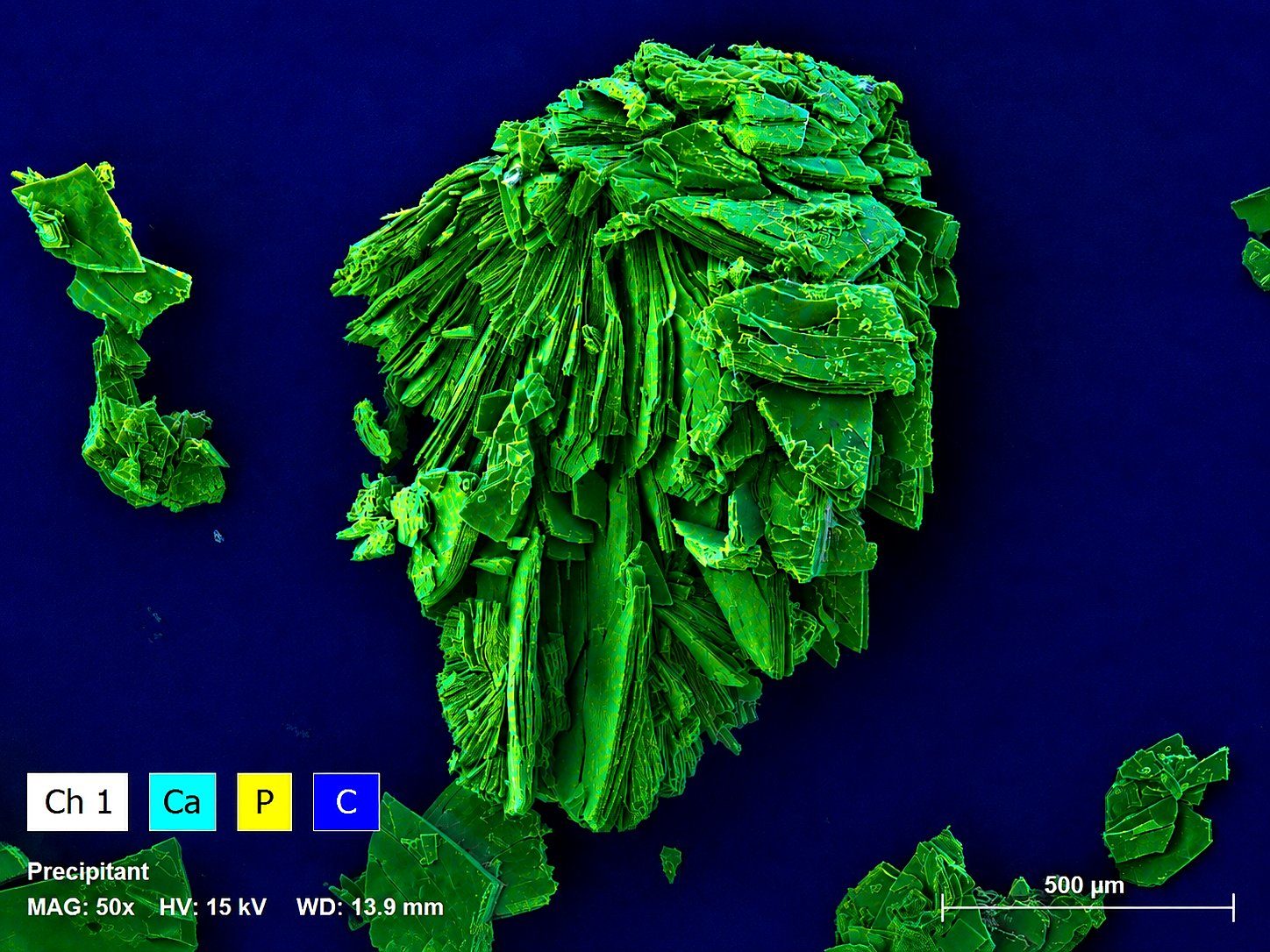
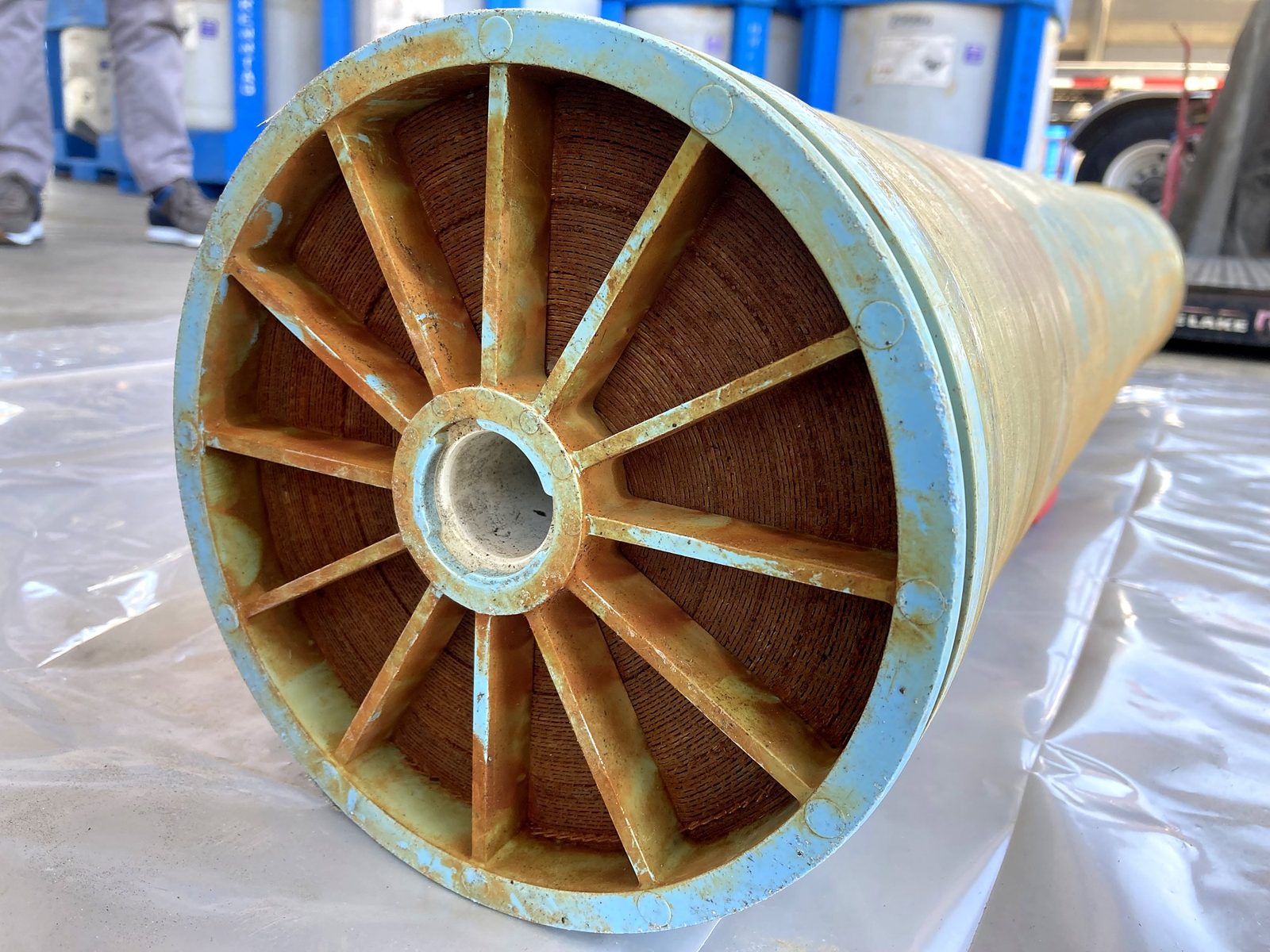
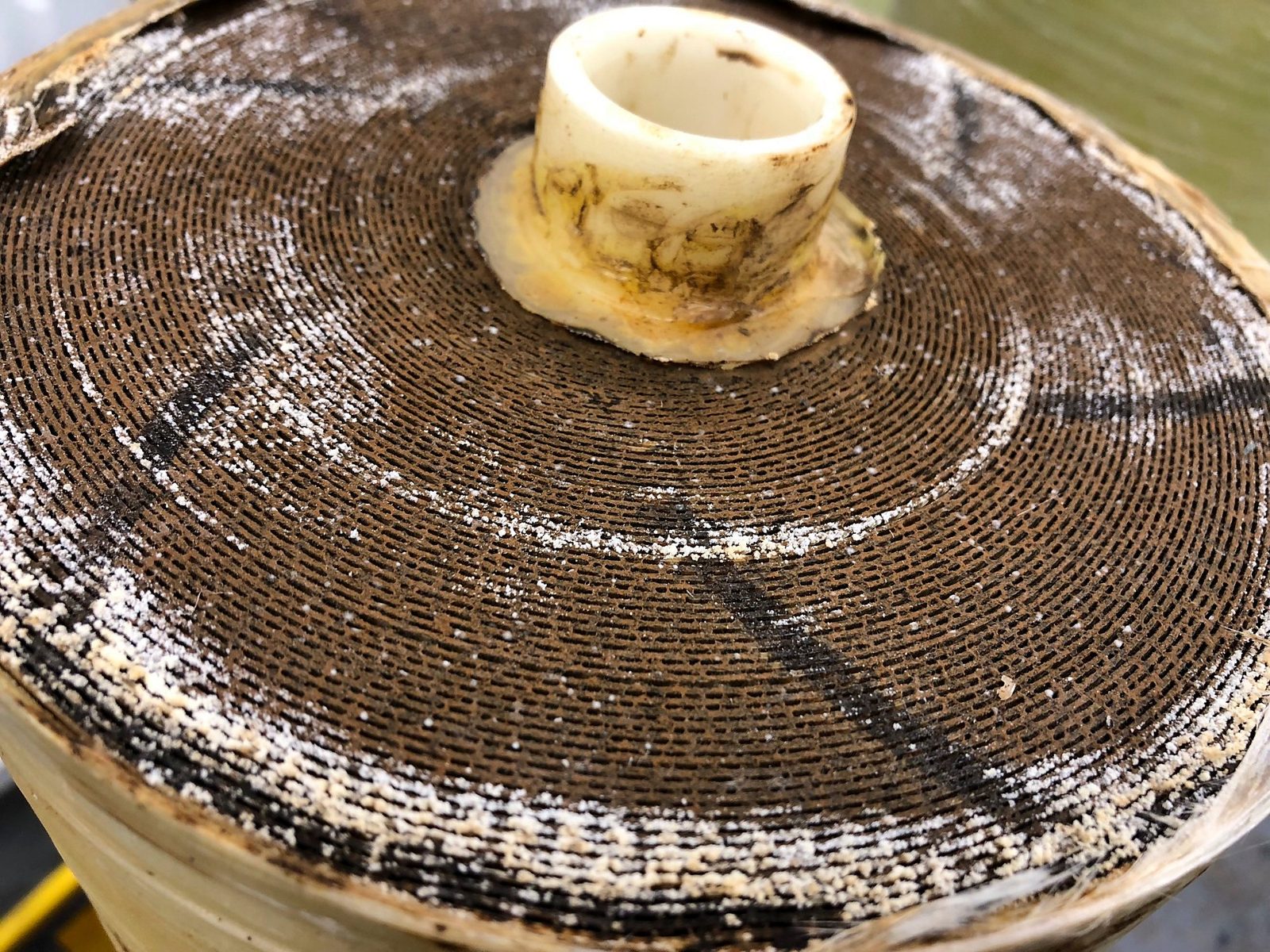
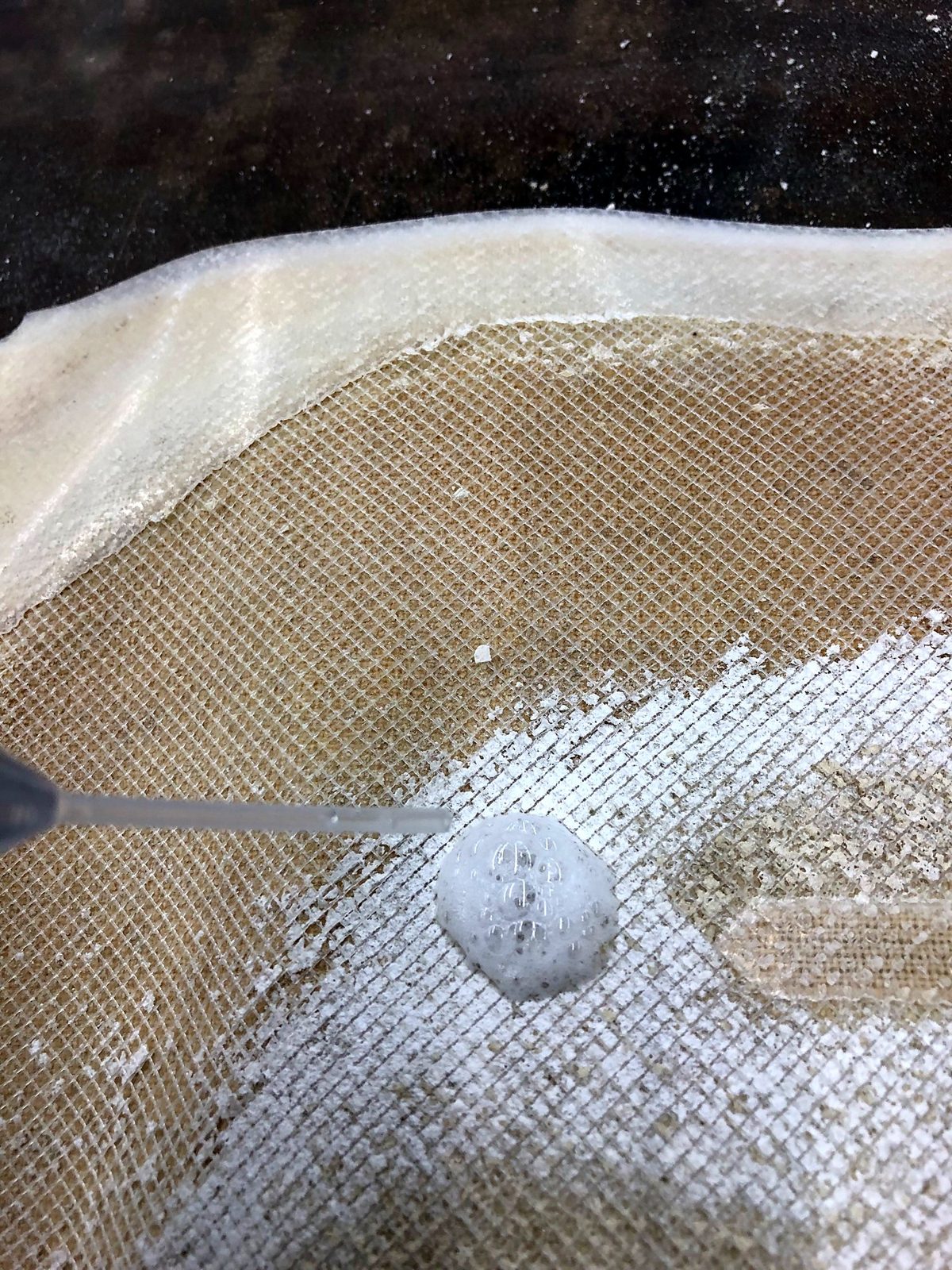
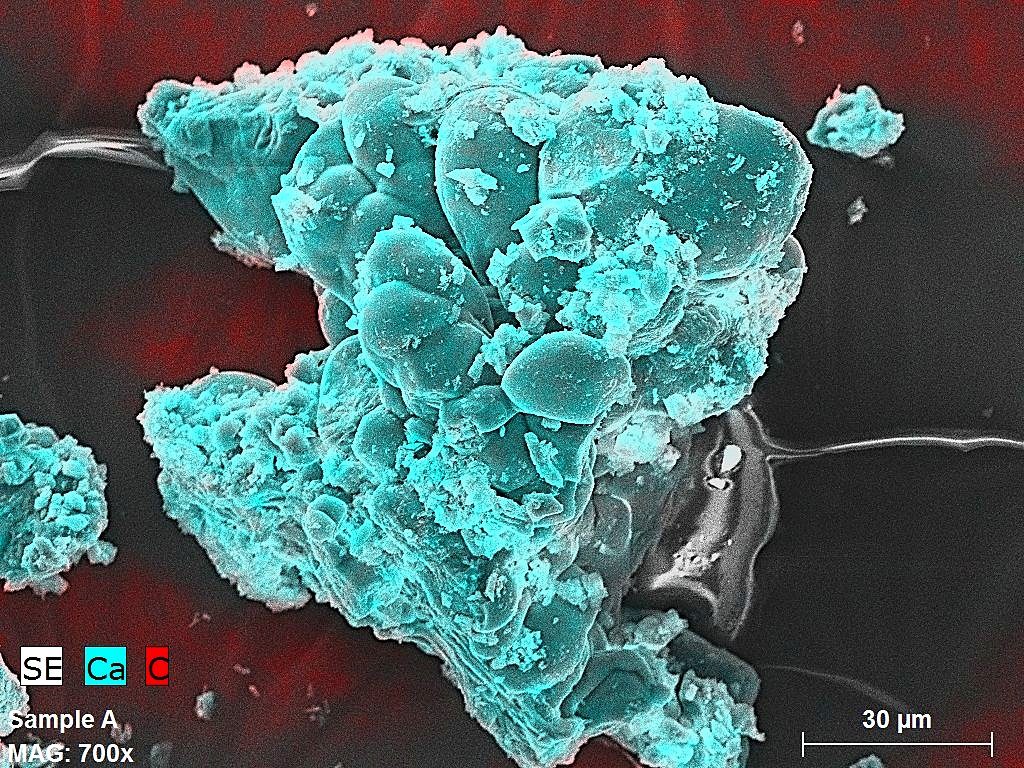
Membrane autopsy: we open a failed element, test the deposits and identify the cause under an electron microscope
Cooling tower treatment at the highest safe cycles
Blowdown and reject reuse to cut water purchases
The chemistry behind it
- Solutec Si holds reactive silica in solution in high-silica feed water, and is certified to NSF/ANSI/CAN 60.
- Synetec cleaners are matched to the foulant: P11 or L1200 for organics and biofilm, P3 or L300 for scale and metals, and P12 or P12A for silica.
- AntOx L26 dechlorination protects membranes from chlorine and chloramine.
- Perfloc membrane-compatible coagulants improve pretreatment ahead of RO and UF.
- CTec inhibitors and rotating biocides keep cooling towers clean at higher cycles.
Inside our lab
When membranes fail, guessing costs money. Our lab tears down the element, tests the surface and images the deposits. The image above shows calcium phosphate scale at 50x, identified by elemental mapping. Knowing exactly what's on the membrane tells you which cleaner to use and how to keep it from coming back.
FAQ
Can you help us raise RO recovery?
Often, yes. We review your feed water, antiscalant and recovery settings and model how far you can safely push it.
How long does a membrane autopsy take?
Contact the lab for current turnaround. Standard lab analysis takes 5–7 business days, with rush available.
Do you work alongside our RO equipment supplier?
Yes. We partner with RO service companies and equipment makers to make sure chemistry is applied correctly.
- 120+
- Facilities served
- $36K
- Average yearly savings per customer
- 30%
- Average water reduction
- 0
- Customers lost to performance
Averages across Hydrovida customers.
Find out why your membranes keep fouling
Talk to a Hydrovida engineer about your system — no obligation, no cost.
or call (866) 808-3315.