Cooling tower water treatment that cuts your water bill, not just your scale
Your tower evaporates thousands of gallons a day. If the chemistry is off, you pay for it three times: in water and sewer, in chiller energy, and in repairs. Hydrovida runs your tower at the highest cycles your water allows and proves the savings with real numbers every visit.
What a poorly treated tower is costing you
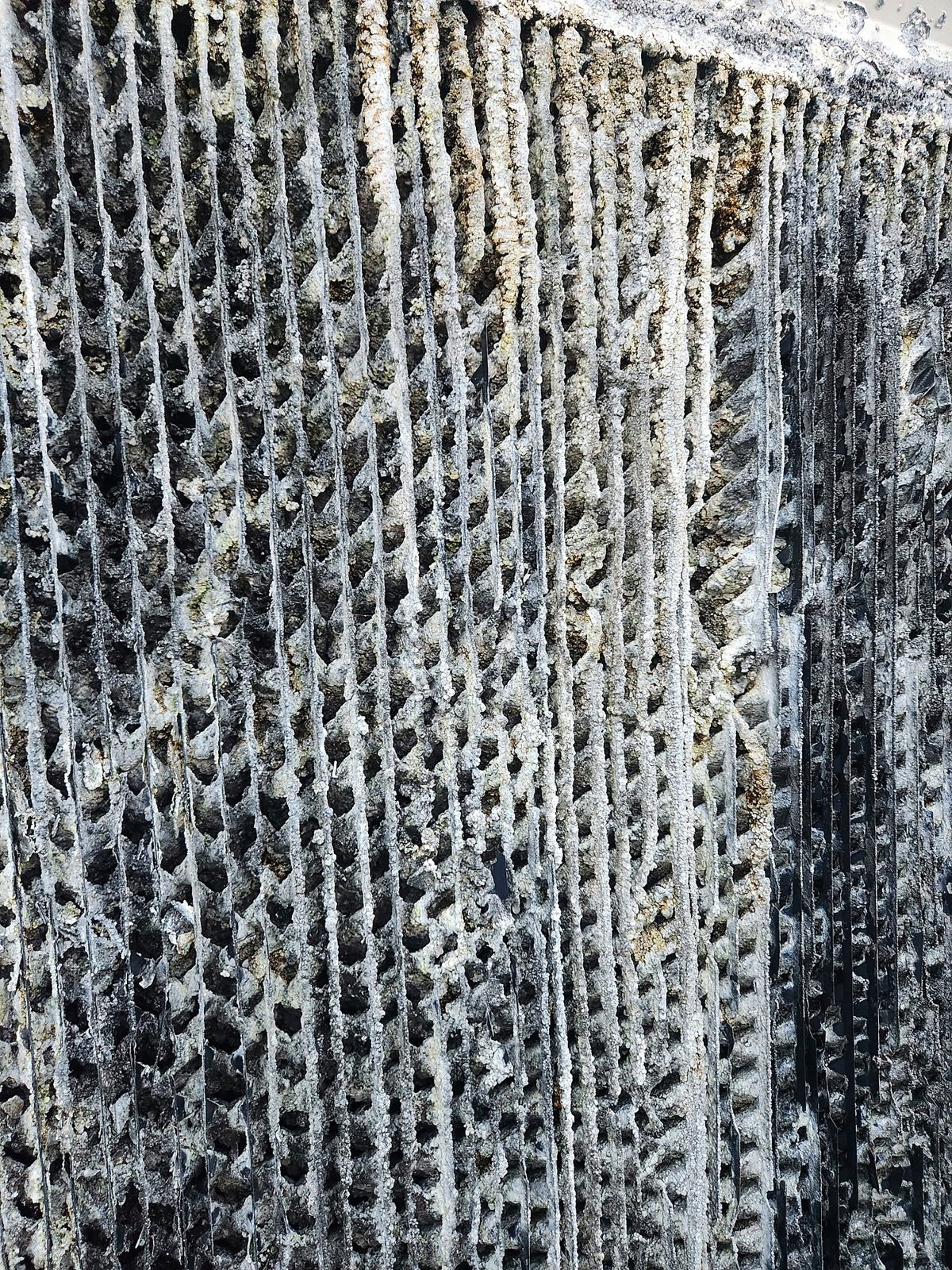
Water and sewer: a tower running at low cycles of concentration dumps clean water down the drain. Going from 3 to 6 cycles cuts makeup water by about 20% and blowdown by about 60%.
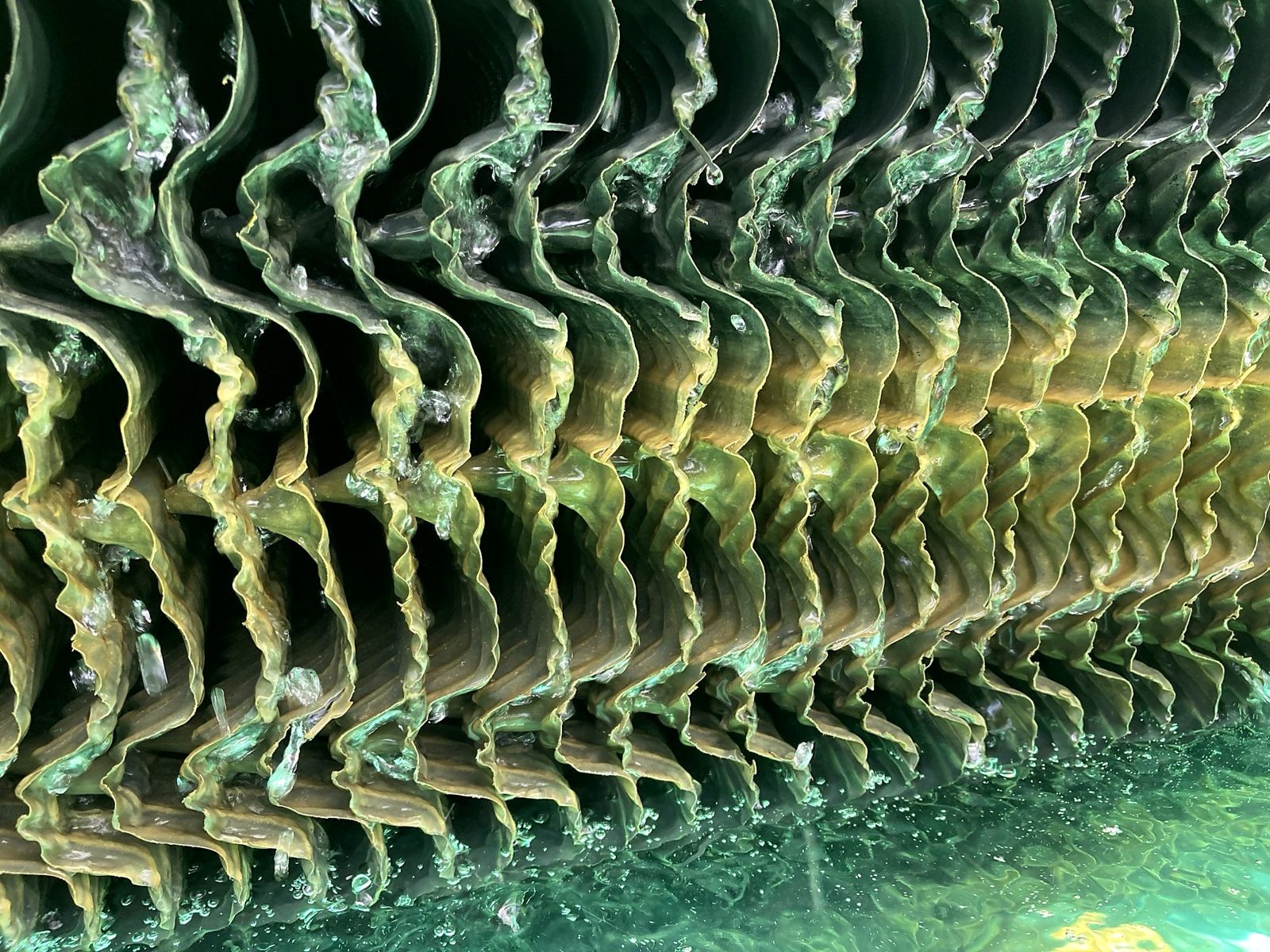
Energy: scale and biofilm insulate the fill and condenser tubes. Your chiller works harder to move the same heat.
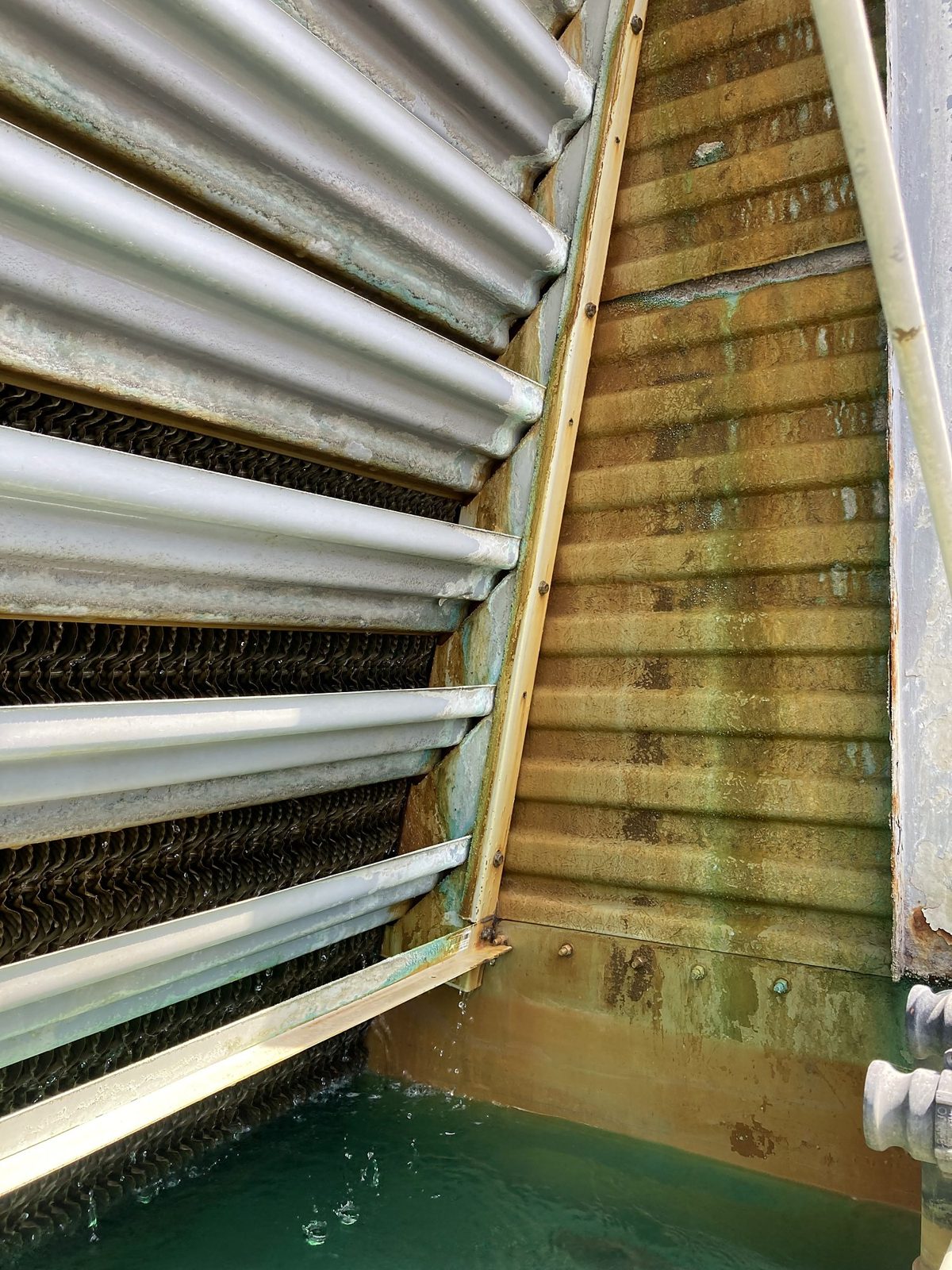
Equipment: corrosion eats basins, louvers and piping. Small repairs left alone turn into a tower replacement.
Liability: biofilm shelters Legionella. One positive test can mean a shutdown, a remediation and a very bad week.
Why it keeps happening
Most towers don't fail from bad chemistry. They fail from nobody checking. A feed pump loses prime. An injection fitting plugs with scale. The bleed valve sticks open. If your current provider drops off chemical and leaves, problems like these run for months before anyone notices.
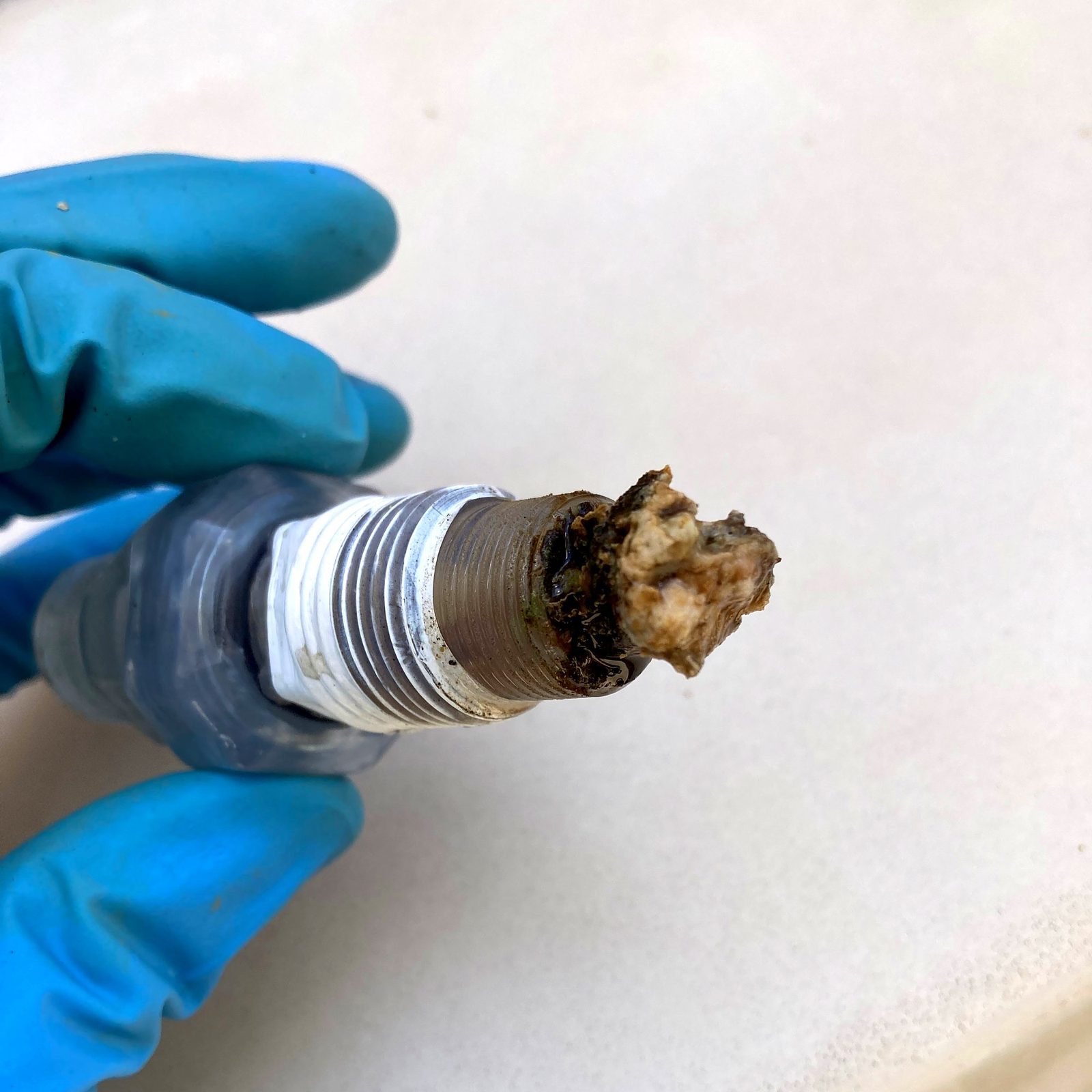
How Hydrovida fixes it
- 01
We test your water first. Makeup and tower water go to our in-house lab. The program is built for your water, not pulled off a shelf.
- 02
We set the right cycles. We calculate the highest cycles your water can safely hold, then lock them in with a conductivity controller and bleed valve.
- 03
We treat with CTec chemistry. Formulated in-house, with NSF/ANSI/CAN 60 certified options, and dosed to your tower's size and load.
- 04
We control biology. A primary biocide plus a rotating secondary, matched to your Legionella risk.
- 05
We check it every visit. Residuals, conductivity, controller calibration and a walk of the tower, with a written report each time.
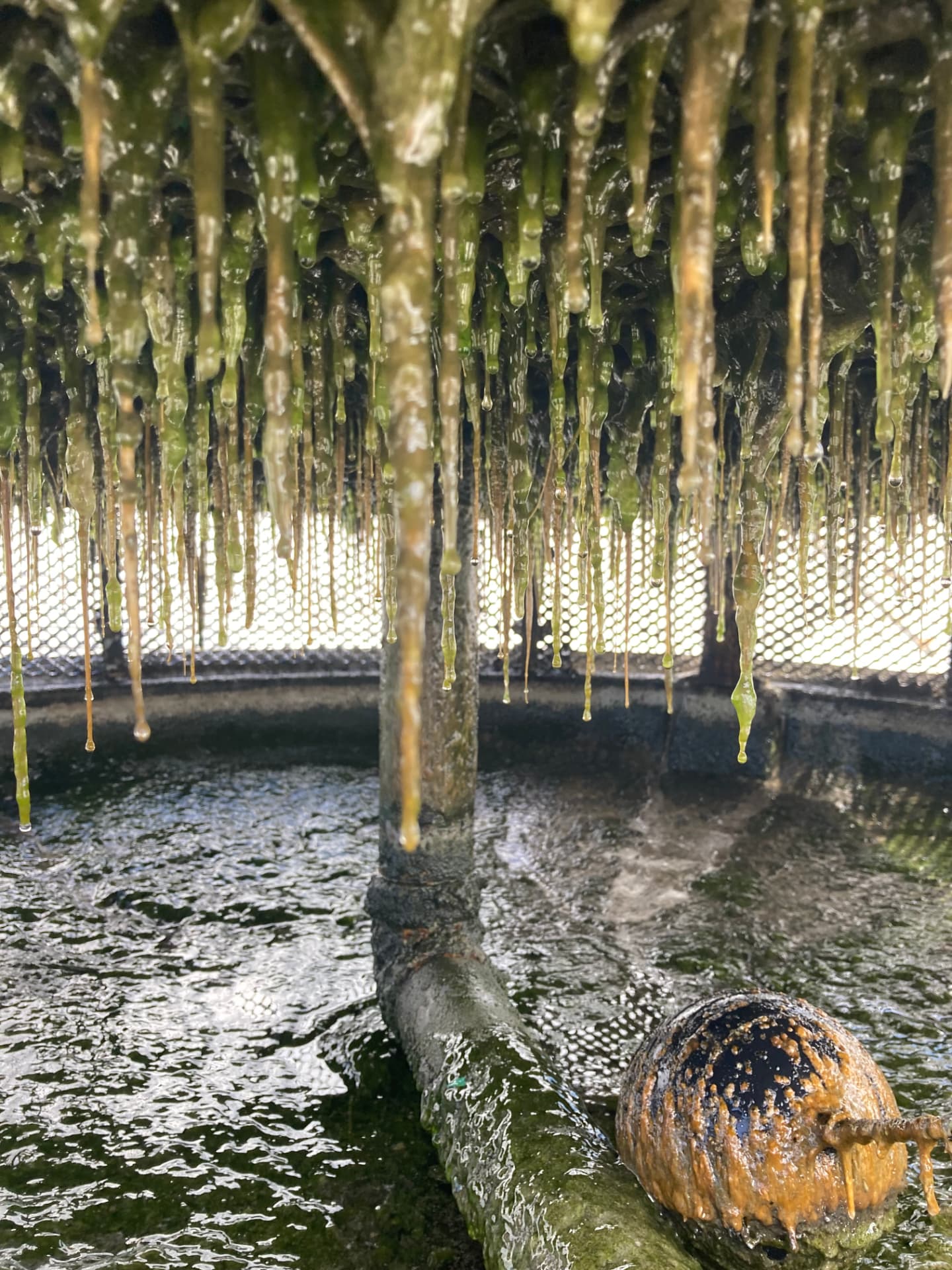
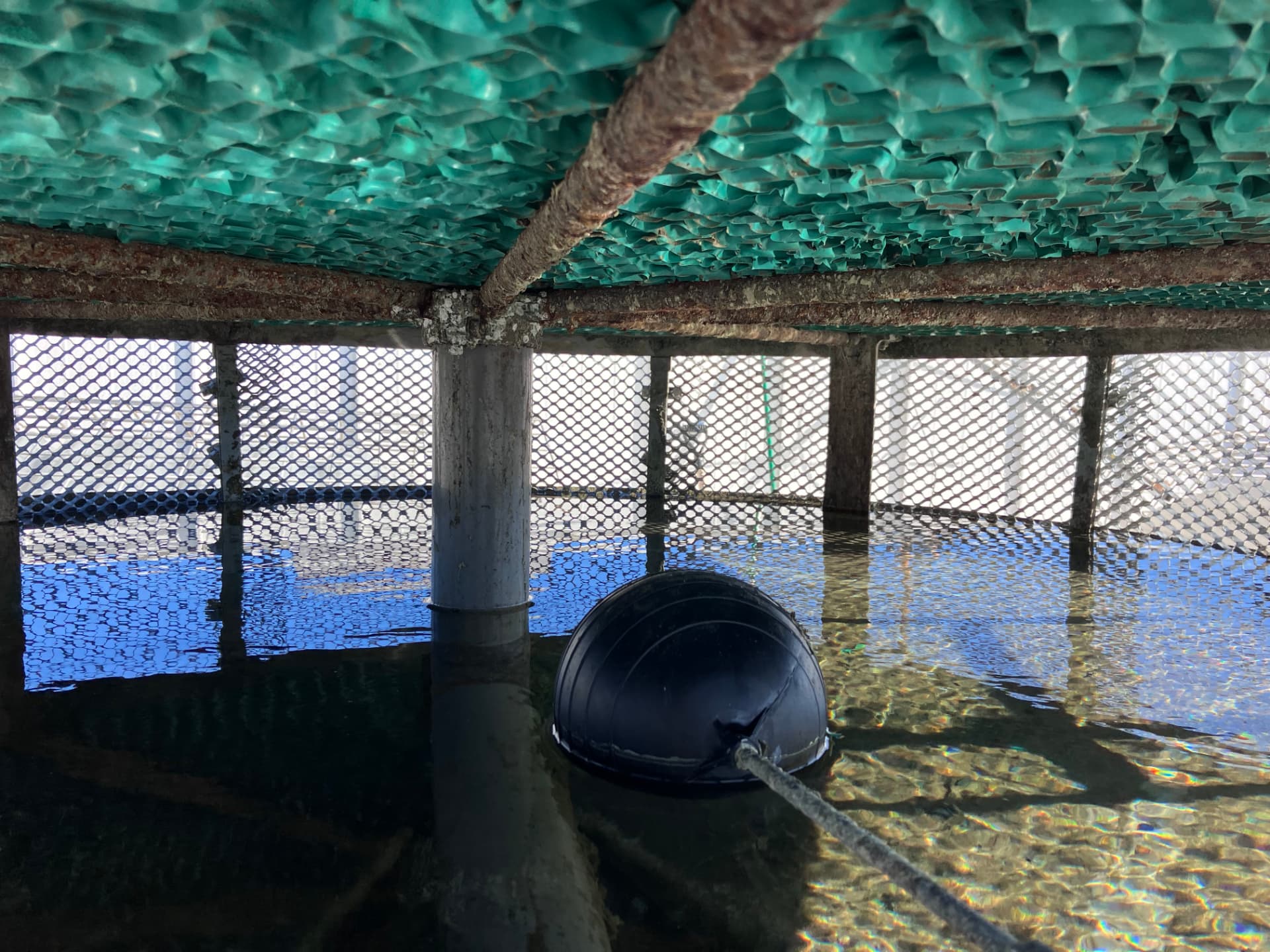 BeforeAfter
The chemistry and equipment behind it
CTec inhibitors. CTec Ca and Cp control calcium carbonate and calcium sulfate scale and protect heat transfer surfaces from corrosion, at typical doses of 10–20 ppm.
Rotating biocides. Oxidizing biocides (chlorine, bromine, stabilized halogens) rotated with non-oxidizing biocides, so bacteria can't adapt.
Controllers. Conductivity controllers and bleed valves hold your cycles where they should be, with remote monitoring available so we catch drift between visits.
Proof it's working. Corrosion coupons measure actual corrosion rates in mils per year, and Legionella testing confirms biological control.
What you get
- A written treatment plan with control ranges
- Monthly or weekly service visits, depending on how critical your system is
- A report after every visit, with test results and what we fixed
- Corrosion coupon monitoring, so you see the actual corrosion rate
- Legionella testing on a schedule matched to your risk (quarterly for hospitals and critical sites)
- A water and sewer savings figure based on your own bills
Proof: what one assessment found
A San Diego County food processor was running a 100-ton tower at 1.0 cycles of concentration. City water was flowing straight through, with no treatment and no bleed control. Our assessment estimated $31,500 a year in savings from tower cycle control alone, and about $74,000–$107,000 a year once their boilers were added.
Working estimate from a 2026 Hydrovida assessment, not a guarantee. We show the number with your data before you commit.
- 120+
- Facilities served
- $36K
- Average yearly savings per customer
- 30%
- Average water reduction
- 0
- Customers lost to performance
Averages across Hydrovida customers. Savings include water, sewer, energy and chemical costs.
One monthly fee, no surprise invoices
Our cooling tower programs run on a fixed monthly fee that covers scheduled visits, the treatment chemicals your tower uses, controller upkeep and routine testing. Cleaning, repairs and extra lab work are quoted separately and only done with your approval.
Where we service cooling towers
San Diego County, Los Angeles and Orange County, the Inland Empire, Imperial Valley, the Central Valley, the Bay Area and Sacramento, plus Yuma, Reno and Northern Mexico.
Further readingCycles of concentration: the number that decides your water bill →
Hospitals can also read about hospital cooling tower and Legionella programs in our guide to water treatment for hospitals.
Between service visits, use our cooling tower maintenance checklist for the daily, weekly, monthly, quarterly and annual checks.
FAQ
How much does cooling tower water treatment cost?
It depends on tower size, runtime and your water. Most programs pay for themselves in water and sewer savings. We'll give you a number after the free analysis.
What are cycles of concentration?
How many times water is reused in the tower before it's bled off. Higher cycles mean less water bought and less sent to the sewer. The limit is how much your water can concentrate before it scales.
Can you take over from our current provider?
Yes. We test your system, review your current program and records, and transition without downtime.
Do you handle Legionella testing?
Yes. We test, help you build or update a water management plan, and keep records ready for inspections.
What's included in the monthly fee?
Scheduled service visits, contracted treatment chemicals, routine testing, controller upkeep and business-hours technical support. Cleaning, repairs and emergency calls are quoted separately.
How often will a technician visit?
Monthly or weekly, depending on how critical your system is. Hospitals and mission-critical plants typically get weekly visits.
How long is the service agreement?
Agreements typically start with a three-year term and renew year to year.
Find out what your tower is costing you
A Hydrovida tech will test your water on-site, at no cost and with no obligation.
or call (866) 808-3315.