
Free water analysis — Request yours →

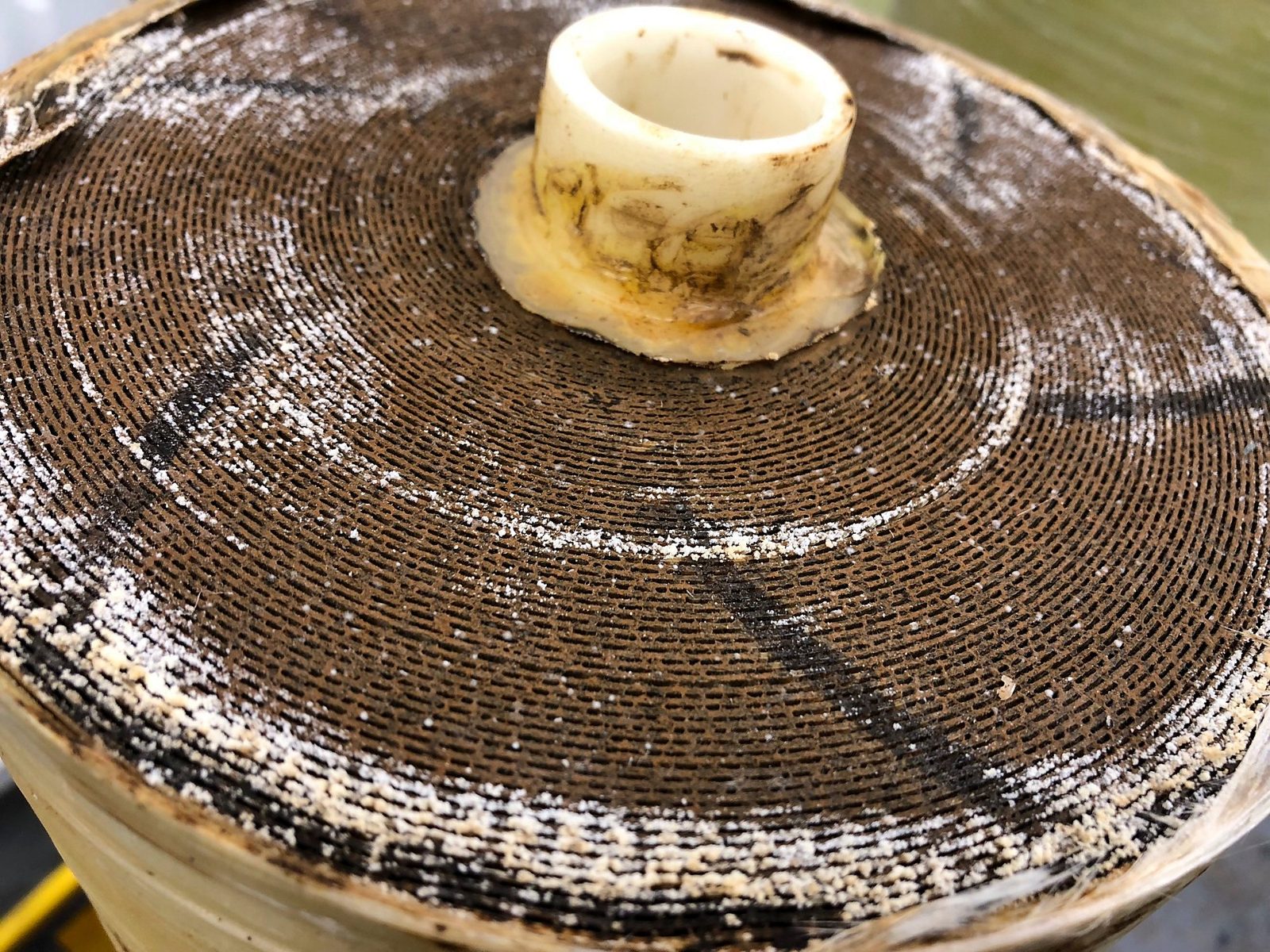
Feed end of an RO membrane element
AntOx RO Dechlorination

AntOx: protect your RO membranes from chlorine damage.

Chlorine and chloramine in RO feed water permanently damage polyamide membranes, and no cleaner can reverse it. AntOx L26 neutralizes them before they reach the membranes. Its stabilized sulfite blend is nearly odor-free, unlike generic sulfites.

Product grade

AntOx L26

RO dechlorination agent

  • Stabilized sulfite blend; nearly odorless with little to no off-gassing
  • Reacts quickly with free and combined chlorine
  • Prevents oxidation damage to RO membranes
  • Internal biostat to prevent biological growth
  • Compatible with Hydrovida RO products, polyelectrolytes and organic cationic coagulants
  • Compatible with polyamide, cellulose acetate and polypiperazine membranes
  • Typical dose: 6 ppm per 1 ppm free chlorine; 8 ppm per 1 ppm chloramine
  • Do not dilute
  • 5-gallon pails, 55-gallon drums, 275-gallon totes, mini-bulk
Download data sheet (PDF)

How it's fed

AntOx L26 is fed continuously by chemical injection, typically downstream of media filters and ahead of the cartridge filters, so it has time to mix and react before the water reaches the membranes.

Questions

Questions

Why does chlorine damage RO membranes?

Chlorine oxidizes polyamide membranes, permanently reducing salt rejection. The damage can't be cleaned out.

Does AntOx work on chloramine?

Yes, at a higher dose than for free chlorine. We set the dose from your feed water analysis.

Why choose AntOx over generic sodium bisulfite?

AntOx L26 is stabilized, so it's nearly odorless with little off-gassing, and it contains a biostat to help prevent biological growth.

Keep chlorine away from your membranes.