
Legionella bacteria cause Legionnaires' disease, a serious pneumonia. Patients in hospitals are among the people at highest risk. That's why CMS expects hospitals and other healthcare facilities to have a water management program that reduces the risk of Legionella and other waterborne pathogens.
A program isn't a binder on a shelf. Surveyors want to see that it's being followed, measured and corrected when something goes wrong.
Where Legionella grows
Legionella grows best in warm water, roughly 77°F to 113°F, and it thrives where water sits still and biofilm builds up. In a hospital, the usual places are:
- Cooling towers and evaporative condensers
- Hot water systems that run too cool
- Dead legs, low-use outlets and rarely used rooms
- Decorative fountains, ice machines and hydrotherapy equipment
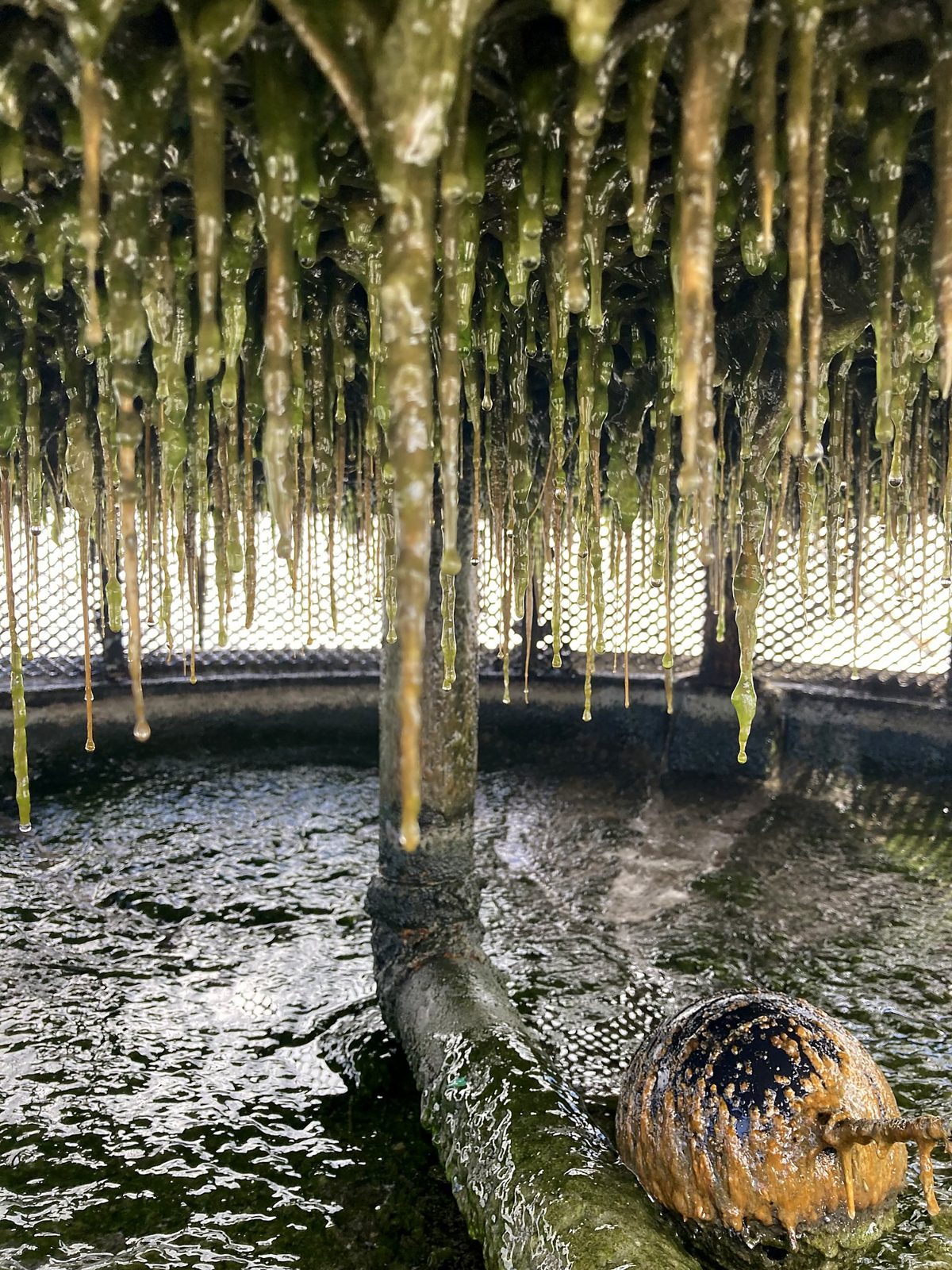
Cooling towers deserve special attention because they can spread contaminated mist well beyond the building.
What a working program includes
Industry practice follows ASHRAE Standard 188 and CDC's water management toolkit. A complete program covers:
- A team. Named people responsible for the program, including facilities, infection prevention and your water treatment provider.
- A description of your water systems. Diagrams showing how water moves through the building, from the meter to every outlet.
- A risk assessment. Where Legionella could grow and spread in your systems.
- Control measures. What you'll do at each risk point, like temperature limits, disinfectant levels and cooling tower biocide programs.
- Control limits and monitoring. The acceptable range for each measure, and how often it's checked.
- Corrective actions. What happens when a result is out of range, written down before it happens.
- Verification and validation. Testing, including Legionella sampling, to confirm the program works.
- Documentation. Records of every test, every result and every corrective action.
What surveyors ask for
- The written program and the team responsible for it
- Water system diagrams and the risk assessment
- Monitoring records showing tests were done on schedule
- What you did when a result was out of range
- Evidence the program is reviewed and updated
The most common gap isn't the plan. It's the records. A plan that says "test monthly" with three months of missing logs is a finding.
Where cooling towers fit in
Cooling towers are a key control point. A strong tower program includes:
- Routine visits with testing of biocide levels, pH, conductivity and inhibitor
- Rotating biocides, so bacteria don't adapt
- Regular Legionella testing at an accredited lab
- Cleaning when sludge, scale or biofilm build up
- Records of every visit, kept ready for survey
Hydrovida's hospital programs include 52 service visits a year, quarterly Legionella testing, corrosion coupons and staff training twice a year, with a written report after every visit.
If you get a positive result
Don't panic, and don't guess. Follow the corrective actions in your program: confirm the result, disinfect the affected system, find the cause and re-test to confirm it worked. Then document every step. A positive result that's handled and recorded correctly shows the program is working.